Is SEO Dead in 2026? Here's What Google Actually Said at Search Central Live
Google's own answer at Search Central Live Bengaluru 2026: good SEO is good GEO. The evidence, the numbers, and what actually changed for SEOs.

By Bhavishya Jain, Organic Growth and AI Search Specialist
Published , 4 minute read
In this article
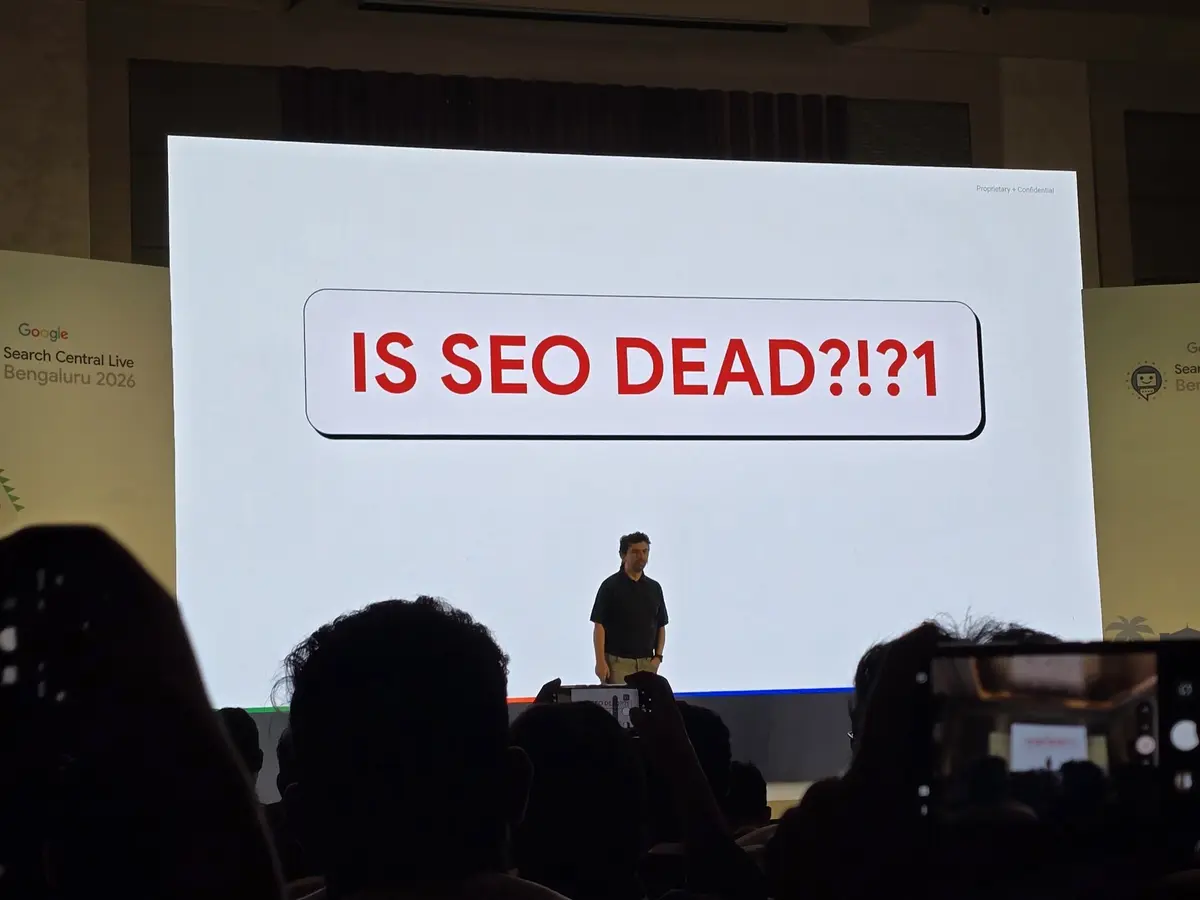
Every few months, someone declares SEO dead. This time the claim comes with a new acronym: GEO, generative engine optimization. On 30 October 2026, Google put that exact claim on a slide at Search Central Live in Bengaluru, labelled it a myth, and answered it.
I was in the room. Here’s what Google said, the numbers behind it, and what has genuinely changed. For the full day, read my 10 strategic shifts from Search Central Live Bengaluru.
The short answer: no
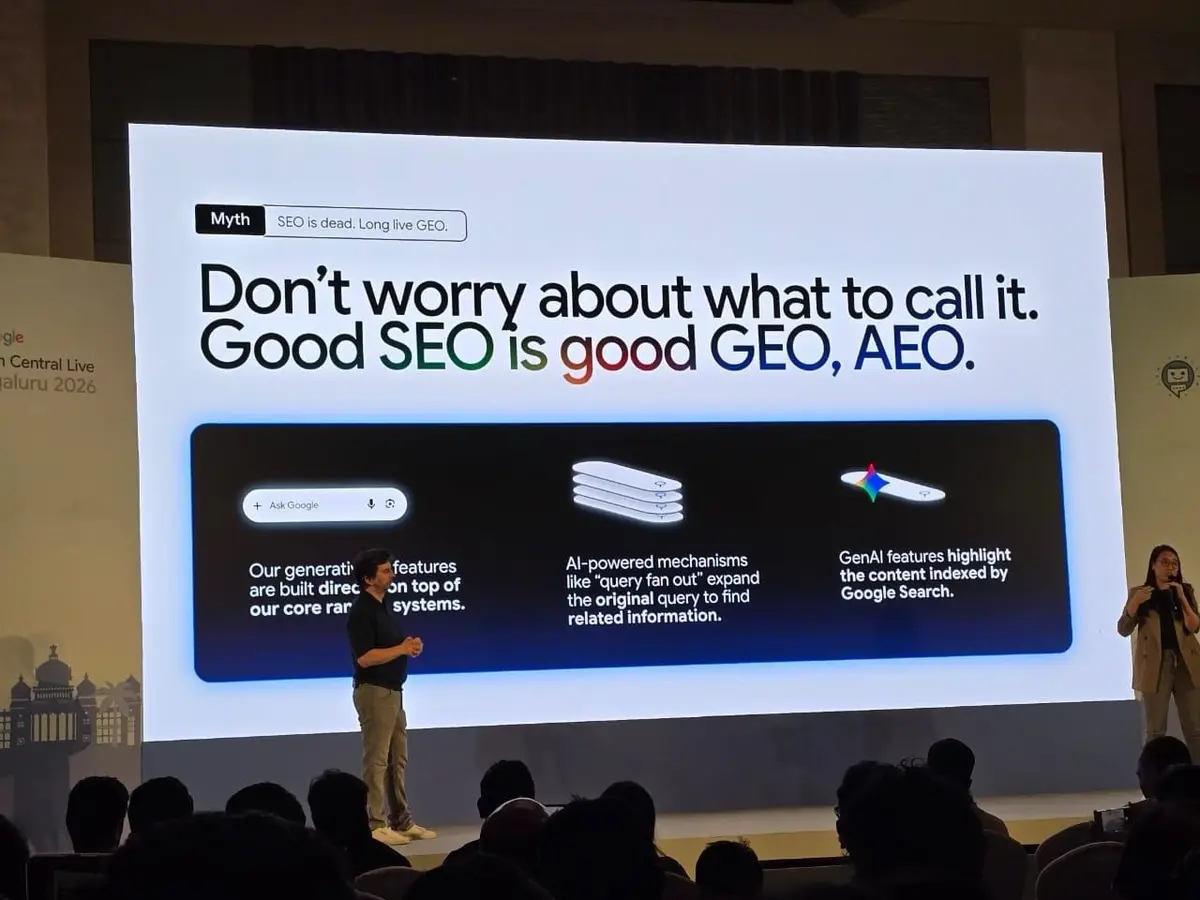
Google gave three reasons on that slide:
- Its generative AI features are built directly on top of its core ranking systems.
- AI mechanisms like query fan-out expand the original query to find related information.
- GenAI features highlight content that’s already indexed by Google Search.
In other words, the AI answer is assembled from the same index that ranks blue links. If your page isn’t crawlable, indexable and good enough to rank, it isn’t in the pool AI draws from either.
Search isn’t shrinking. It’s growing.
The “SEO is dead” argument assumes people are leaving Google for chatbots. Google’s numbers say otherwise:
| Number | What it measures |
|---|---|
| 5 trillion+ | Searches on Google every year |
| 2 billion+ | People using Google Search every day |
| 2.5 billion+ | Monthly AI Overviews users, in 200+ countries |
| 1 billion+ | Monthly AI Mode users, queries doubling every quarter |
| 94% | Frequent LLM users who also search Google frequently |
| +52% | More Google searches a month by AI-assistant users than non-users |
People who use AI assistants search Google more, not less. The audience is still there. What’s changing is how they ask, and how Google answers.
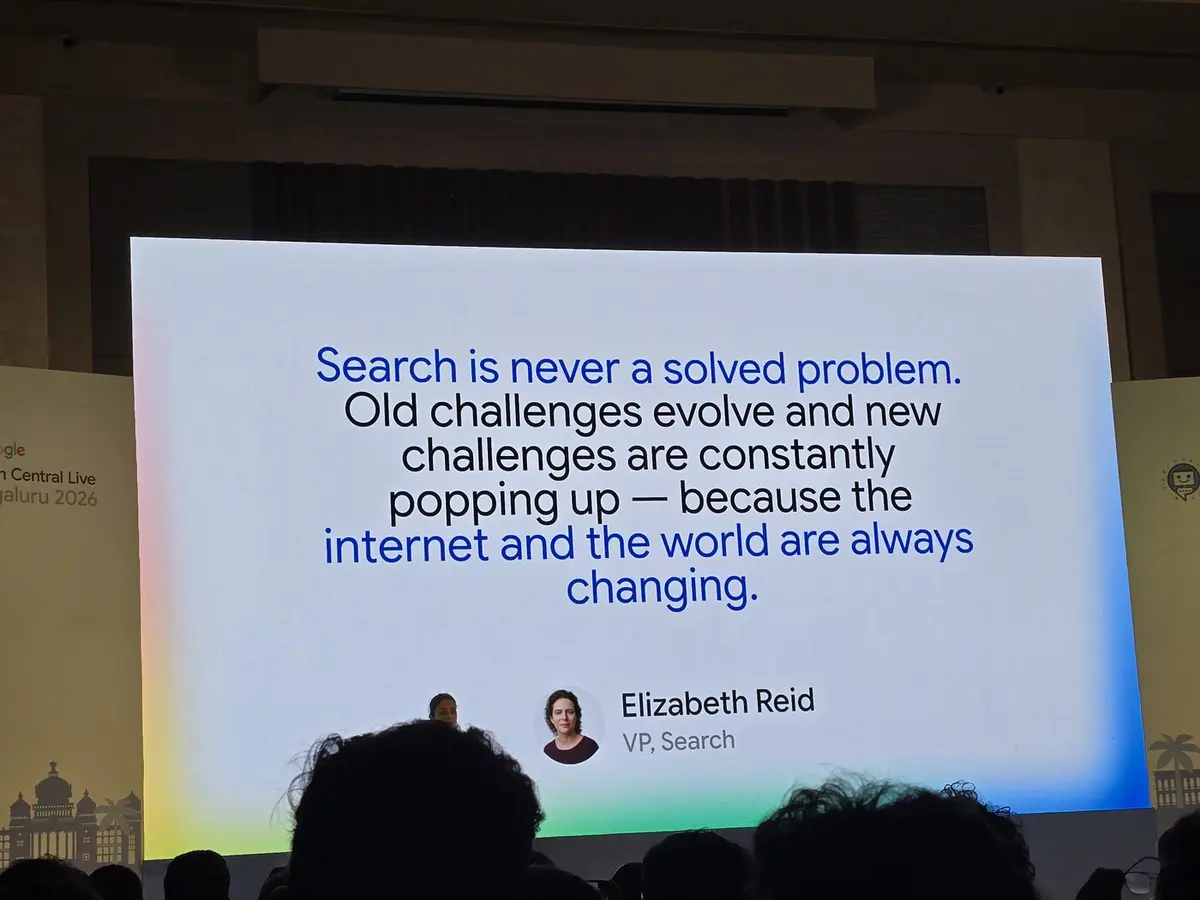
The pipeline is the same
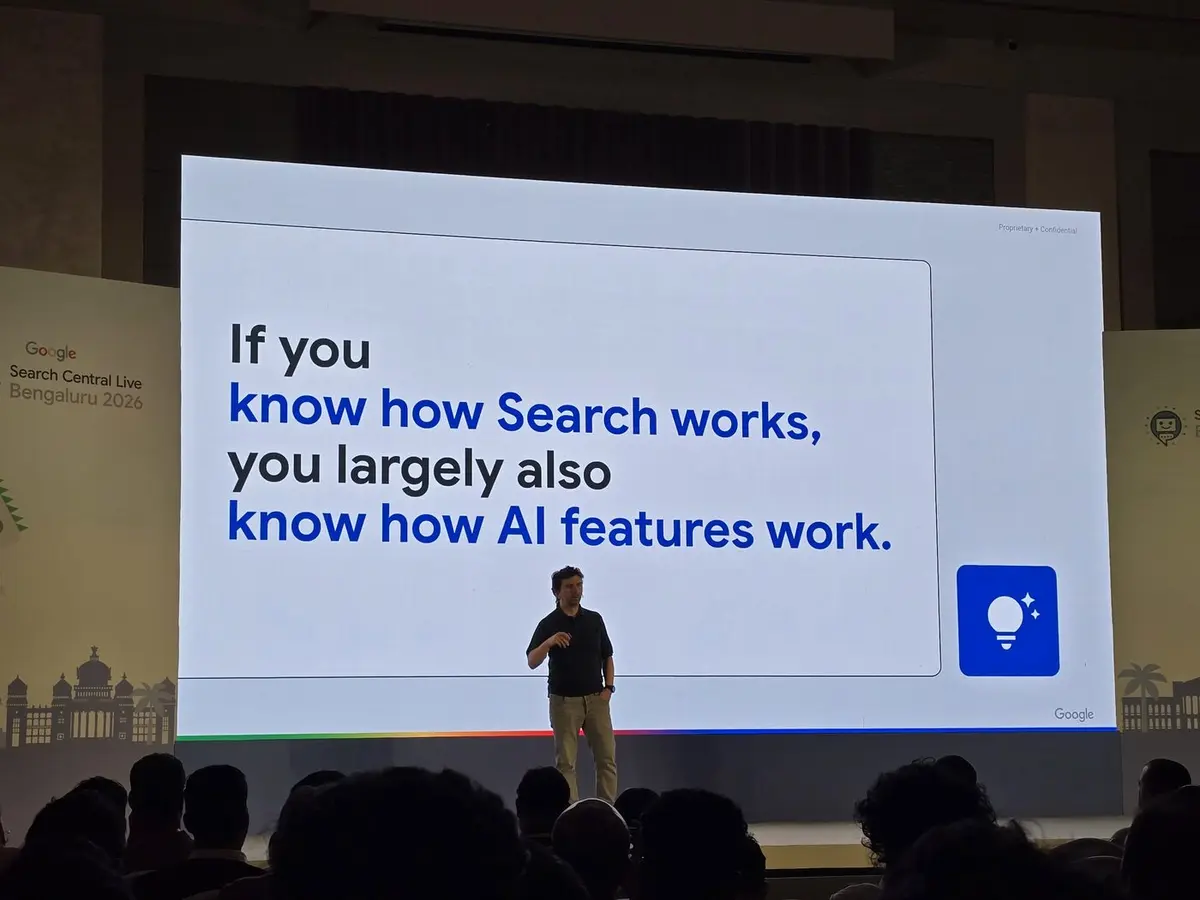
Gary Illyes walked through how Search works: crawling, indexing and serving. Googlebot is the crawler for Search, AI Overviews and AI Mode alike. The only difference sits in serving, where AI adds grounding on the Search index and query fan-out.
That’s the strongest argument against “SEO is dead.” Technical SEO, crawlability and indexing aren’t legacy work. They decide whether you’re even eligible for an AI answer.
What did die
SEO isn’t dead, but some SEO habits are. Google was candid about this.
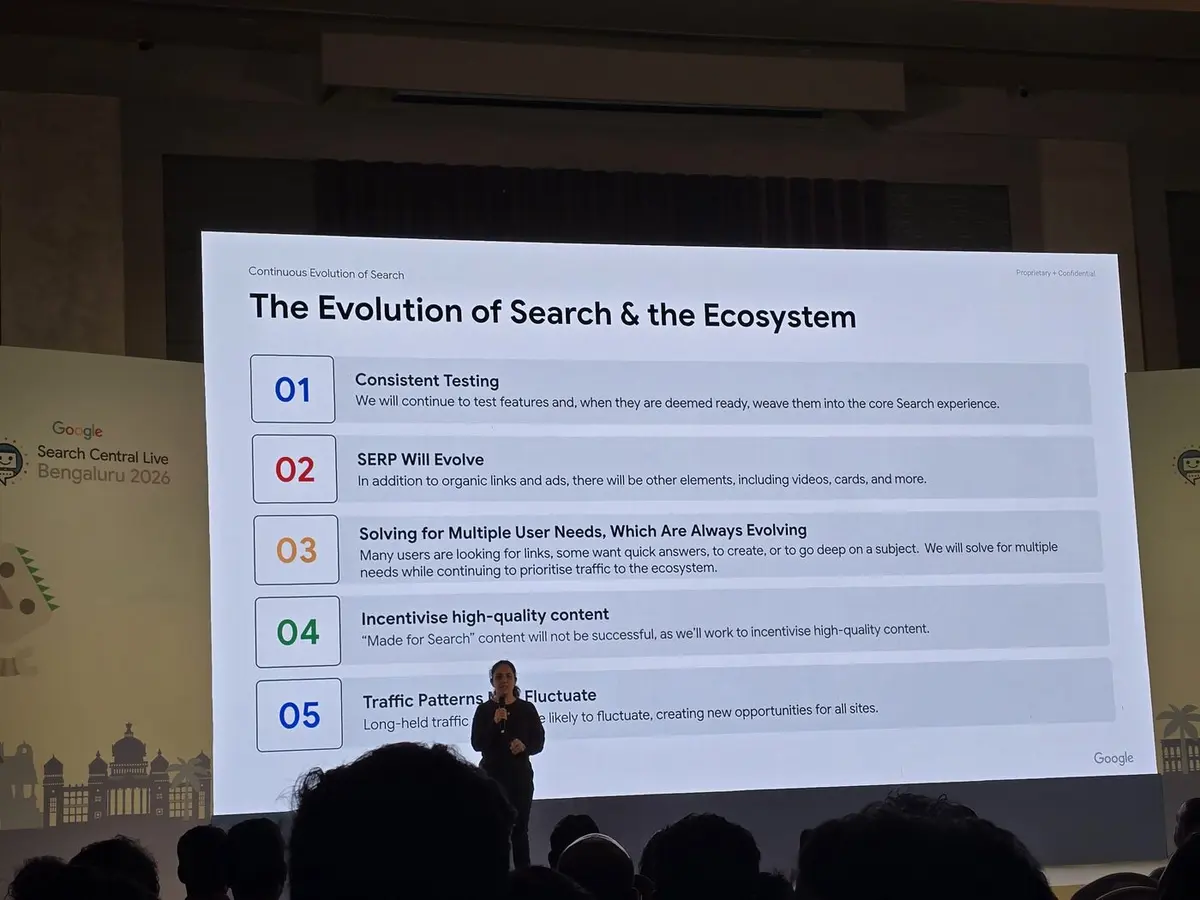
- “Made for Search” content. Google said it will not succeed, and that it will keep working to reward high-quality content.
- Stable, long-held traffic. Google said long-held traffic is likely to fluctuate, creating new opportunities for all sites.
- Keyword obsession. There’s no need to obsess over precise keywords or AI phrasing.
- Chopping content for AI. Google said there’s no need to chop content into fragments, and llms.txt isn’t necessary.
The four “GEO” myths Google retired
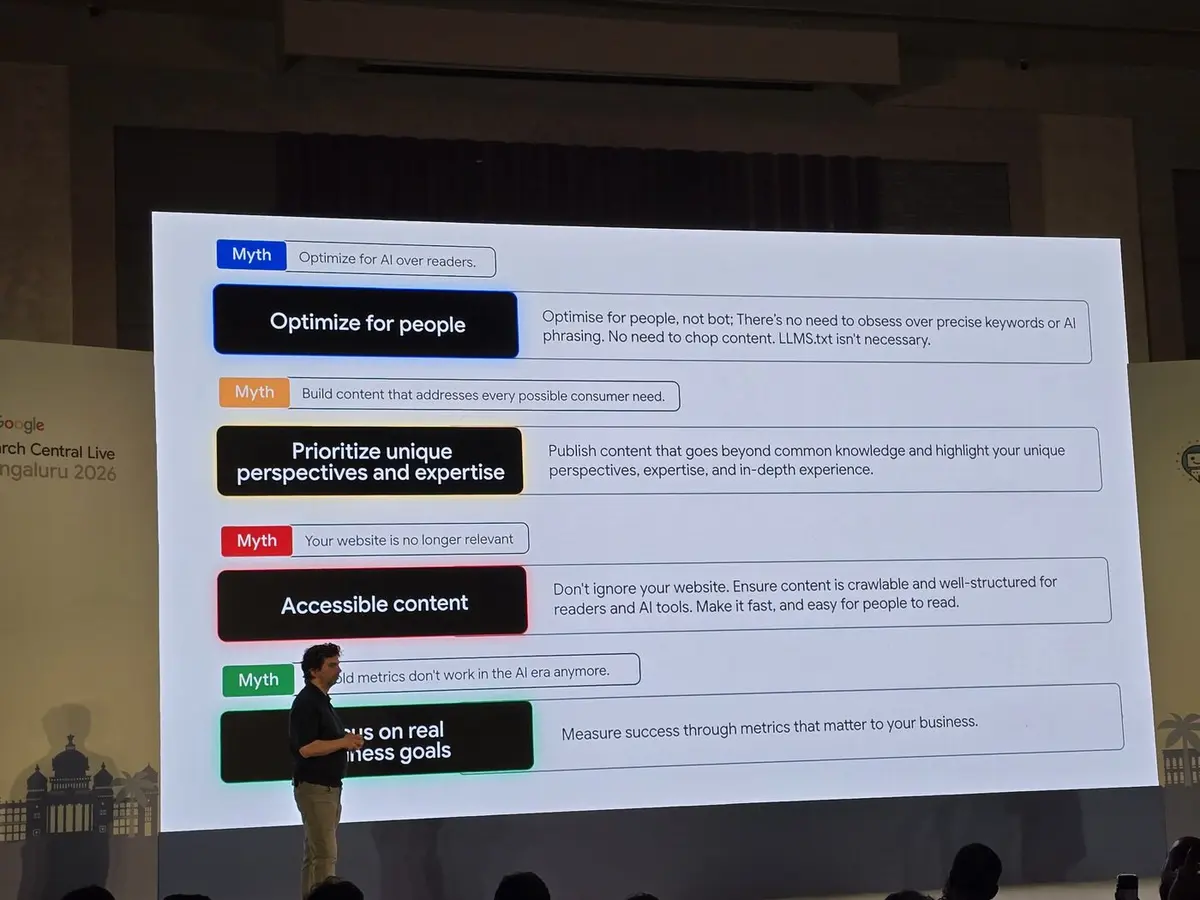
| Myth | What Google said instead |
|---|---|
| Optimize for AI over readers | Optimize for people, not bots |
| Cover every possible consumer need | Publish what goes beyond common knowledge: your unique perspective and expertise |
| Your website is no longer relevant | Make it crawlable, well-structured, fast and easy to read |
| Old metrics don’t work in the AI era | Measure success through metrics that matter to your business |
What “good SEO” means now
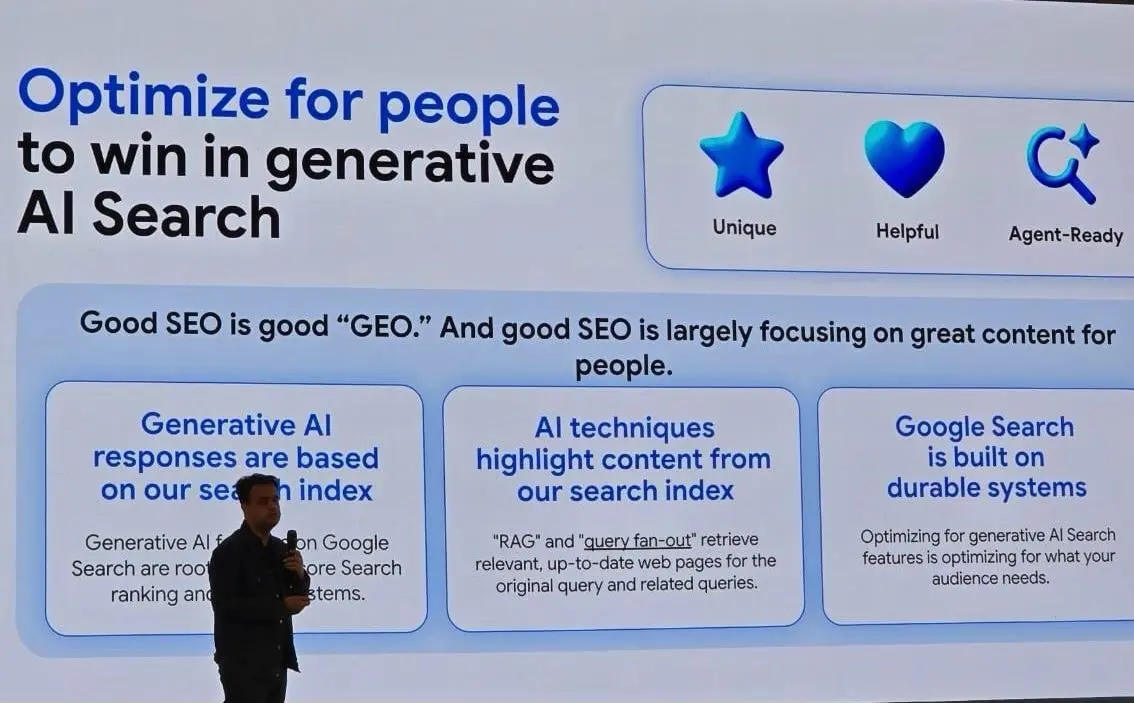
Google summed it up in three words: unique, helpful, agent-ready. In practice, that means four moves:
- Fix the foundations first. Crawl, render and index problems are now AI visibility problems. A free site audit is a quick place to start.
- Publish what AI can’t average. First-hand data, real cases and opinions with reasons.
- Answer the follow-up. AI Mode queries are about 3x longer, and follow-ups are growing fast.
- Measure the business, not the vanity metric. Leads, sign-ups and revenue from search, split by branded and non-branded.
FAQ
Is SEO dead in 2026?
No. Google said its generative AI features are built on its core ranking systems and highlight content from its Search index.
Is GEO different from SEO?
Not according to Google. Its slide said: don’t worry about what to call it; good SEO is good GEO and AEO.
Do I need llms.txt to appear in Google’s AI answers?
No. Google said llms.txt isn’t necessary and that it doesn’t use llms.txt files.
Will AI replace SEO jobs?
The work is shifting from producing keyword pages to producing original expertise and keeping sites technically sound, which AI features rely on.